Color, Flame, and Feeling: Candle Palettes That Shape Mood

Today we dive into designing color-psychology candle palettes for emotional ambience, translating neuroscience and artistry into glowing rituals you can actually light. Expect practical palette formulas, material choices that subtly steer perception, and heartfelt stories from makers who learned, sometimes the hard way, how hue, vessel, and flicker can steady breathing, invite focus, and gently lift a room’s spirit.

How Color Speaks to the Nervous System

Before picking wax dyes or vessels, understand how wavelengths and context interact with attention, arousal, and comfort. Warm shades often feel intimate because they echo candlelight’s ancestral safety signal, while cooler tones can cue space and clarity. Yet saturation, contrast, and texture reshape these responses. Designing consciously means balancing hue relationships with flicker behavior and the surrounding room surfaces.

Warm Hues and the Body’s Slow Exhale

Ambers, soft terracottas, and gentle golds often evoke rest because they mirror dusk and hearth memories. Use lower saturation, creamy opacity, and frosted vessels to reduce visual noise. Test alongside soft instrumental music and slower breathing exercises; you’ll notice heart rate and conversation cadence easing as shadows soften and edges blur around the pool of light.

Cool Tones and Quiet Cognitive Clarity

Powder blues, misty teals, and moonlit lilacs may feel clear rather than cold when paired with soft diffusion. Keep contrasts clean but not harsh, avoiding hyper-saturated dyes that buzz uncomfortably. In work nooks, this restrained palette nudges tidy thinking without sterility. Pair with gentle flicker stability and tidy containers that reinforce structure, not stiffness, for sustained mental presence.

Neutrals, Texture, and Safety Cues

Greige, bone, mushroom, and charcoal can cradle bolder accents when their finishes are tactually soft. Matte vessels and creamy wax calm micro-reflections that fatigue eyes. Use neutrals as emotional ground wires, letting bolder color glow from within. The result reads confident, not loud, giving guests a felt sense of safety that welcomes open conversation and relaxed shoulders.

Palette Recipes for Calm, Focus, Romance, and Renewal

Translate intention into specific, reproducible trios and gradients that work under real lighting. Each recipe considers hue, saturation, opacity, and vessel finish, plus burn context like evening reading or Sunday reset. Small shifts—adding gray to blush, or softening navy with smoke—can profoundly change felt meaning. Keep structured notes to replicate successes as seasons and rooms shift.

Coastal Calm: Sea Glass Sage, Cloud Mist, Pale Linen

Blend a whispering sage dye into soy-coconut for milky diffusion, anchor with a pale linen pillar, and float a translucent mist votive nearby. These near-neutrals invite long exhales without blandness. Place against warm wood, not stark white, to prevent chill. Listeners report longer reading sessions, fewer phone checks, and an easy sense of time stretching without urgency.

Deep Focus: Ink Blue, Graphite, Crisp Porcelain

A low-saturation ink blue container with clean white wax communicates order, while a graphite accent candle adds gravity. Keep finishes satin, not mirror-gloss, to avoid reflective chatter. This trio supports writing, spreadsheets, or chess. Test during late afternoons when distractions spike; you’ll notice posture straighten and errands lose their tug as the room gently organizes around steady glow.

Tender Spark: Blush Coral, Candlelight Amber, Rosewood

Romance benefits from restraint. Gray the blush slightly, warming it with a candlelight amber accent so it never skews saccharine. Add rosewood depth through a smoked vessel or ribbon. Place low, near textiles that welcome touch. Conversation softens, laughter lingers, and the space hints at celebration without demanding it. Keep background scents faint, letting color carry intimacy.

Wax, Dye, and Vessel: Materials That Bend Perception
Opacity, Diffusion, and the Soft-Edge Glow
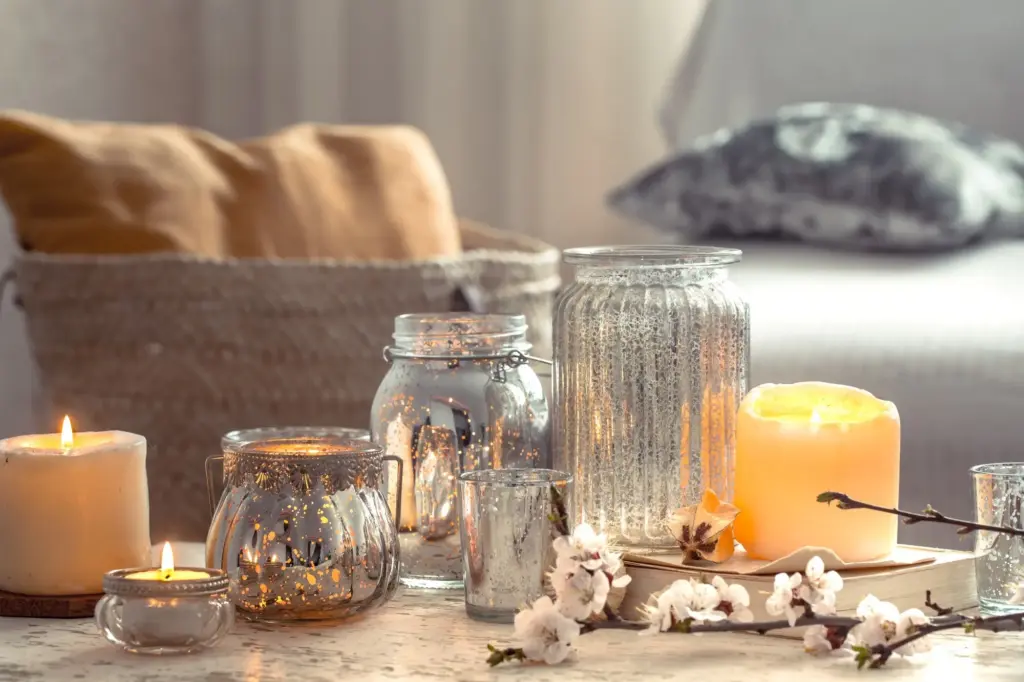
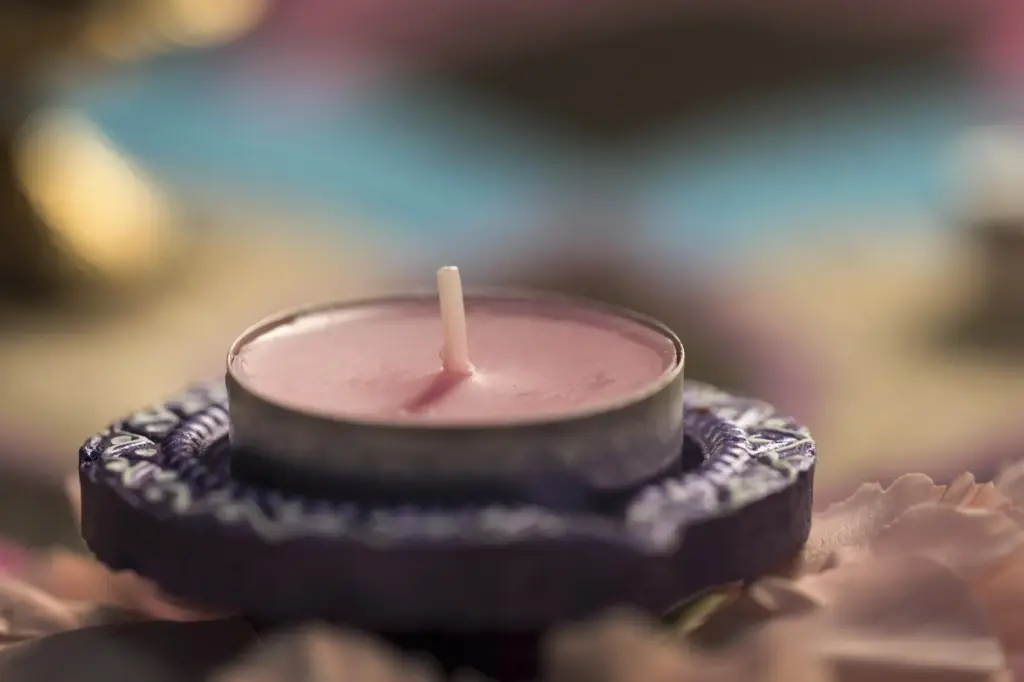
Opaque wax blurs edges and quiets contrast, ideal for calming palettes. Translucent blends invite luminous gradients that feel alive but can excite the eye if overly saturated. Frosted vessels scatter flicker into a cloud, lowering arousal. When testing, photograph candles from five angles; you’ll learn how edges, hotspots, and halos collaborate to whisper, soothe, or energize a space.

Dye Chemistry, Stability, and Safety Considerations
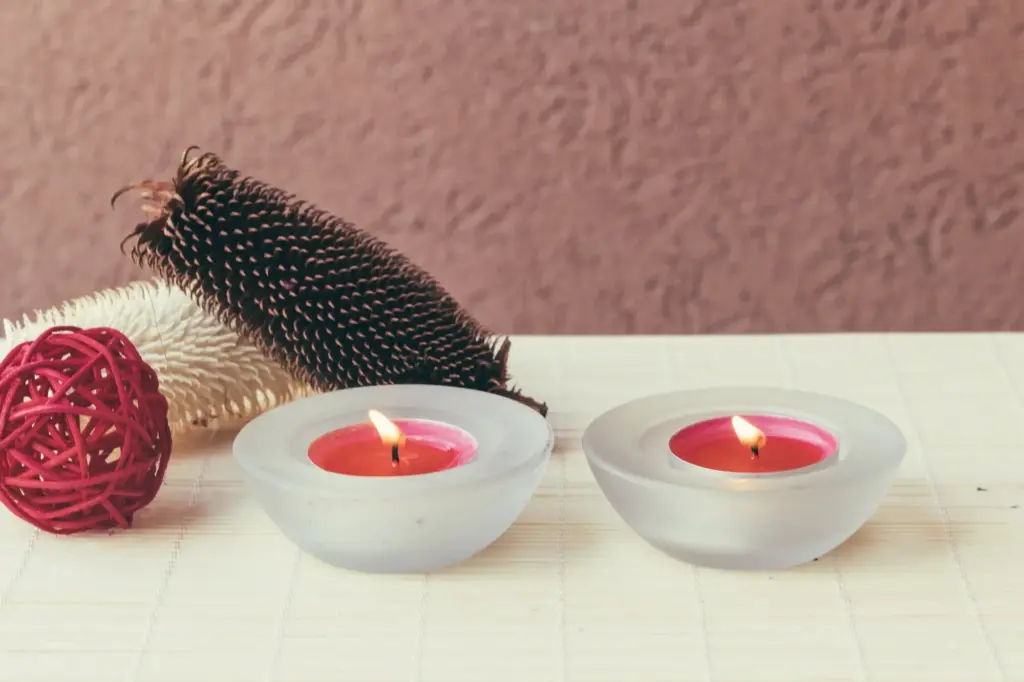
Choose candle-safe dyes formulated for your wax, and test for UV fade near windows. Mica looks magical but can clog wicks in containers; reserve for decorative toppers if needed. Stir consistently for even chroma, and label batches meticulously. A measured approach replaces guesswork with insight, so your midnight blue remains midnight through summer sunlight, rainstorms, and countless cozy evenings.

Vessel Color and Finish as Emotional Lenses

Smoked glass deepens mood, clear glass amplifies vibrancy, and ceramic matte calms reflections. Rim thickness changes perceived luxury; weight alters ritual gravity. Even label paper matters, slightly cooling or warming the ensemble. Treat vessels like architecture for light, tuning the ratio of glow to shadow. With small swaps, the same wax hue can read meditative, festive, or quietly confident.

Light in Context: Rooms, Surfaces, and Time of Day

Walls, Undertones, and the Spill of Color

Greens with yellow undertones can sour a delicate pink; blue-gray walls may cool amber too far. Use paint swatches behind test burns to catch clashes. Even rugs bounce color into the flame’s halo. Shift saturation or vessel tone to reconcile differences, creating a bridge that flatters both candle and room, turning accidental discord into an intentional, welcoming conversation.

Flicker Physics, Shadows, and Visual Tempo

Wick type and vessel diameter influence flicker cadence, subtly modulating heart rate and perceived calm. Wider pools create broad, slow shadows that soothe; narrow, lively flames add sparkle. Arrange near textured surfaces to paint moving patterns that feel like breathing. Too many reflective points can jitter the eye, so curate a rhythm that lets visitors settle without drowsing.

Layering Multiples: Triangles, Gradients, and Breathing Space

Three-candle triangles stabilize a vignette; diagonal gradients pull the gaze along shelves. Leave dark negative space so light has room to bloom. Combine one anchor hue, one supporting neutral, and a whisper accent. Photograph at varied exposures to ensure depth persists. The goal is felt spaciousness, not clutter, allowing rituals—tea, journaling, playlists—to unfold with graceful momentum.

Scent Synergy Without Letting Color Disappear

Color and fragrance can duet or duel. Align hue with olfactory families—herbal greens, resinous ambers, airy florals—while minding throw and room size. Overpowering scent can hijack perception, eclipsing carefully tuned palettes. Instead, let color set the stage and fragrance add subplot, keeping the ending gentle, memorable, and perfectly paced for the moment you want to curate.

Pairing Hue with Olfactory Families Thoughtfully

Muted eucalyptus reads truer in cool sage vessels; gourmand vanillas glow warmly in cream ceramics; aquatic notes shimmer beside mist glass. Avoid literalism when it feels trite—rose needn’t be pink if dusty plum better honors the memory. Smell, squint, and notice the color your mind imagines, then refine with gray to gain sophistication and sidestep cartoonish obviousness.

Throw, Load, and the Emotional Volume Knob

A delicate color palette collapses under a shouty fragrance load. Size, wax blend, and cure time change perceived volume more than label notes suggest. Prototype small, compare in identical rooms, and log first ten minutes versus hour two. Aim for a confident mezzo-piano: present, textured, and room-filling enough to feel intentional without drowning conversation, music, or the hush of reading.

Cultural Meanings, Accessibility, and Care
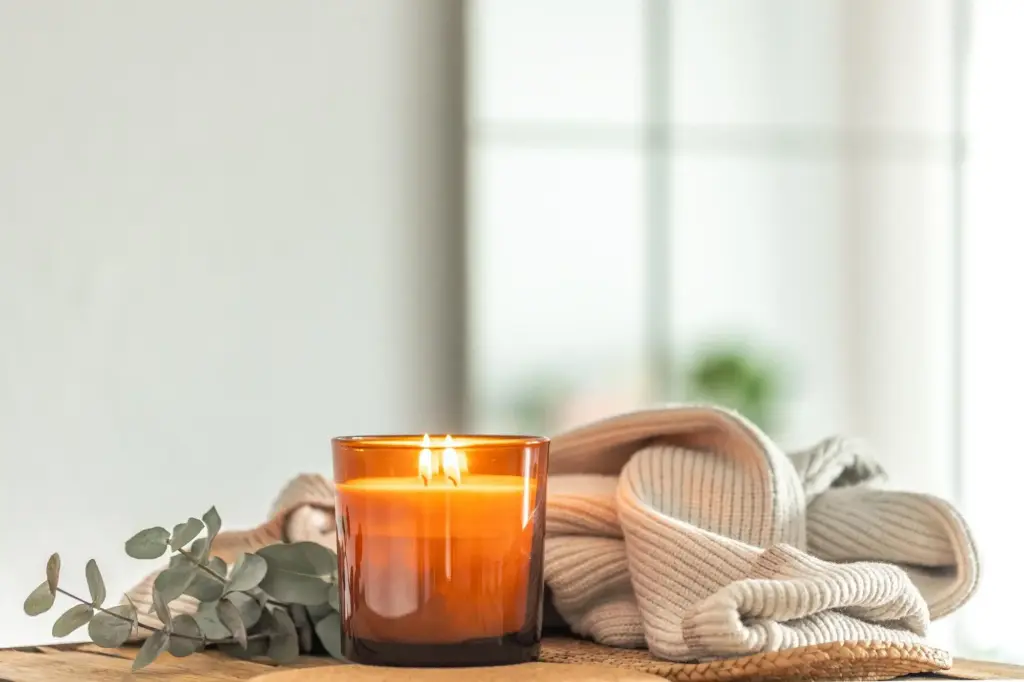
Color associations travel through culture, ritual, and personal history. White signals celebration in one place, mourning in another. Designing with empathy means researching contexts, accommodating color vision diversity, and communicating care instructions clearly. Ethics matter, from sourcing dyes and waxes to safe burn messaging. Beauty deepens when it honors people’s stories, needs, and the rooms they truly inhabit.

Cross-Cultural Readings and Ritual Sensitivity
Study how festivals, ceremonies, and seasonal traditions shape meaning. Crimson may energize prosperity narratives, while minimal white could feel sacred or solemn. Ask, don’t assume; invite community voices into prototyping. When in doubt, let neutrals lead and weave accent hues with respect. The goal is ambiance that welcomes, not flattens, the rich variety of human experience.

Designing for Color Vision Diversity

Rely on contrast, texture, and value steps so the palette reads even when red-green distinctions blur. Matte labels, tactile vessels, and clear iconography help. Photograph in grayscale to verify structure survives without hue. Accessibility is not aesthetic compromise—it is craft refinement that strengthens narrative clarity, guiding every guest toward the intended feeling with dignity and ease.

Prototype, Test, Iterate, and Invite the Room to Answer

Great palettes are discovered, not declared. Build small runs, journal reactions, and compare notes at different hours and wall colors. Photography helps catch bias, while surveys reveal which glow actually changes evenings. Your audience becomes a co-designer when you ask good questions, share drafts generously, and let honest feedback refine the choreography of color, scent, and shadow.

Mood Journaling and Gentle A/B Sessions

Light two palettes on opposite sides of a room, alternate for fifteen-minute intervals, and record shifts in posture, chatter, and lingering. Note which candle helps phone screens stay face down. Repeat across three nights. Patterns emerge. This is humble science woven with hospitality, turning guesswork into insight and building a library of settings that predictably nurture what matters.

Photography, White Balance, and Perceived Hue

Shoot RAW during golden hour and again at night to see which palette holds intention across time. Adjust white balance carefully; a warm edit can mask a cold reality. Share side-by-sides with your community and ask which image feels truer to sitting there. Let responses guide micro-tweaks to saturation, vessel tone, and placement before committing to larger batches.

Community Co‑Creation: Polls, Playlists, and Stories

Invite readers to vote on gradients, submit playlists to test with a glow, and share stories of evenings that felt right. Feature a monthly palette remix from community input, crediting collaborators generously. This opens a feedback loop where intention meets lived experience, and subscription becomes a conversation. Ask for replies, questions, and photos; build warmth together, candle by candle.